China | Boom times
Why China’s concert scene has boomed since the pandemic
Youngsters are yearning for experiences
February 12th 2026
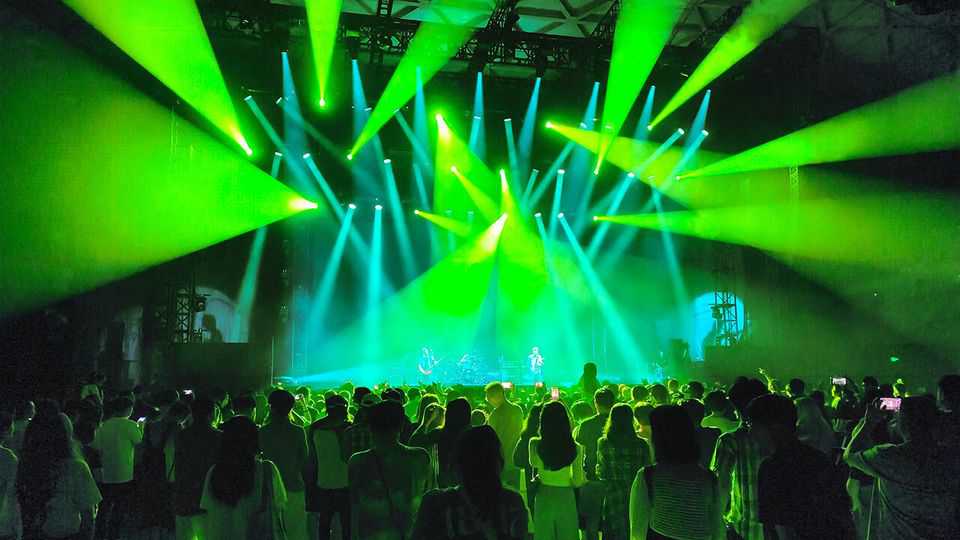
For much of the year the main attraction of Zhuji, a city in Zhejiang province, is its status as the birthplace of Xi Shi, a woman of great classical beauty who lived some 2,500 years ago. But since 2023 tens of thousands have been descending on Zhuji around the new year for the Xi Shi Music Festival, an extravaganza that has little to do with the legendary woman. For two days, fans from all over China greet the new year by rocking out to indie bands. More than 133,000 visitors stayed overnight during this year’s extravaganza, a 29% increase over the one in 2025.
China is enjoying a concert boom. Last year the box-office intake from performances totalled 62bn yuan ($9bn), up from 20bn in 2019, according to figures from the China Association of Performing Arts, an industry body. Some 640,000 shows, big and small, were played, up from 197,000. Not only are there more offerings, but better ones, too. Ms Sun, a 28-year-old, attended three concerts last year by Mayday, a Taiwanese rock band that is among the most popular in China. Band members popped up as giant avatars on a huge 3D screen; they also wowed the crowd on a bus, on which a stage was set up, as it circled its way around the Bird’s Nest stadium in Beijing.
What is striking, apart from the scenes of euphoria (likely to irk those of a conservative bent), is that almost everywhere else consumers are loth to spend. Like many other industries, entertainment was hit hard by the pandemic. China’s consumer-confidence index plummeted after the draconian “zero-covid” lockdowns. Although this still remains at the lows of 2022, concerts have roared back to life.
Local governments love them. Visitors lift the economies of the spots they go to as they splash out on food and accommodation. Some places have started offering subsidies and incentives to attract artists to perform. On February 2nd the island province of Hainan awarded Eason Chan, a Hong Kong popstar, 1m yuan for selling 68m-worth of tickets last year for his concert in Haikou, on the island’s coast. But the overall boon to the economy was much bigger: visitors to Haikou spent a total of 3.2bn yuan while attending the concert. The performing arts association suggests that one yuan splurged by a reveller on concert tickets can trigger nearly seven yuan of additional spending.
Some fans are particularly hardcore. Last year Ms Wang, a 35-year-old, followed Mayday to different cities to watch their shows, together with her husband, spending 20,000 yuan on tickets and the same again on flights and accommodation. Before each concert she would carefully prepare handicrafts and banners, and take part in gatherings with other fans. Going to shows is one of the things that she looks forward to most. “It’s already been almost two months without a concert. It feels like nothing happened, like I just skipped over them,” she explains. She also recalls sobbing uncontrollably during her first Mayday concert after the pandemic.
Chinese commentary has come to call this kind of spending “emotional consumption”: paying for experiences to soothe the soul, rather than hoarding material possessions. This kind of spending is rising in spite of, or perhaps even because of, a gloomy economic outlook. Some may dismiss the trend as a quirk of Gen-Z mopers; if it gets young people to consume, though, the Communist Party might just rock and roll with it. ■
Subscribers can sign up to Drum Tower, our new weekly newsletter, to understand what the world makes of China—and what China makes of the world.