Leaders | 1.4m deadly sins
The Epstein files tell a story of justice denied
Prosecutors have moved far too slowly
February 12th 2026
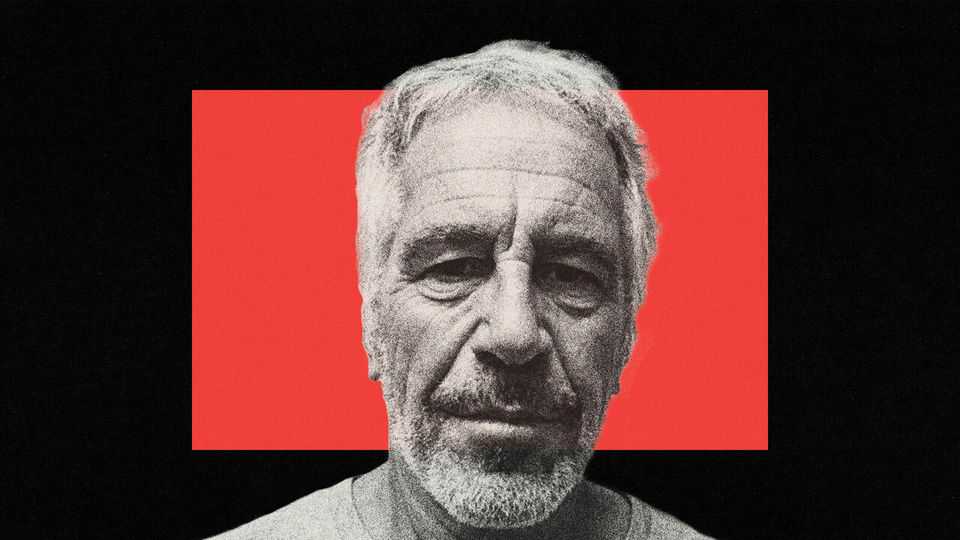
NO WONDER THAT the life and mysterious death of Jeffrey Epstein fuel a nihilistic and conspiratorial view that all the elites are rotten. In what is supposed to be a meritocracy too many of the best and the brightest turn out to be motivated by flattery, vanity, cupidity, cruelty and lechery. An unknown number of powerful men (and some women) trafficked and abused a much larger number of vulnerable women and girls. Those victims urgently need justice.
Epstein, a financier, fixer, rapist and paedophile, died in a Manhattan prison cell in 2019. Under popular and congressional pressure, the Department of Justice (DoJ) released over 3m pages of documents on January 30th—too many for anyone to have read. This week volunteer software engineers converted them into a format that could be analysed. The Economist has examined this archive.
Epstein appears to have been careful about mixing his prolific sexual abuse with his broad network of influence-peddling. We scored each of the 1.4m emails by how relevant it was to his crimes. Around 1,500 threads belong to the most severe category—where, for instance, a correspondent made light of abusing Epstein’s “littlest girl”.
Nearly 60% of the emails were to people Epstein paid to make his life easier. Some handled the bureaucratic complications from his record as a sex offender. Others scrubbed the web of references to his plea bargain over child prostitution and soliciting in 2008. Because of this concealment, a number of Epstein’s social contacts who today protest that they did not grasp the extent of his crimes may be telling the truth.
The rest of the emails depict an astonishing network of influence- and favour-trading. Of the messages to his 500 main correspondents, excluding his own staff and business partners, almost 20% involve financiers; 10% scientists or doctors; 8% media, entertainment and public relations; and 6% each lawyers, politicians, academics and businesspeople. Although some of his contacts were from countries like Britain and Norway, the vast majority were American.
In the worst cases, some members of those networks appear to be implicated in sex trafficking. Others, such as the physicist Lawrence Krauss, may not be criminals, but deserve opprobrium for their moral failure. Still others, like the commerce secretary Howard Lutnick, have lied about relatively minor dealings with Epstein—even if no more damning evidence turns up, they should answer for their dishonesty. Some, such as the author J.K. Rowling, have been pilloried despite the evidence being that the contact was one-sided and came from him.
The files tend to mash these different categories together. That is partly because when Epstein makes allegations it is hard to know if he is lying. It is also because the DoJ’s haphazard redactions have shielded criminal abusers, revealed those who briefly came into Epstein’s orbit and too often exposed the identity of victims.
Redactions are essential to protect innocent victims. But blacked out faces and names of women and girls inadvertently exacerbate how these vast files, detailing the routine abuse of over 1,000 victims, tend to make the story all about the men. Female bodies are turned into objects in what is a tragic echo of Epstein’s own abuses.
The duty to those women and girls is to bring their abusers to justice without delay. It is reprehensible—and, indeed, hard to understand—why the DoJ has made so little progress filing charges over the past seven years. The delay is as baffling as the leniency of Epstein’s original plea bargain 18 years ago. ■
Subscribers to The Economist can sign up to our Opinion newsletter, which brings together the best of our leaders, columns, guest essays and reader correspondence.